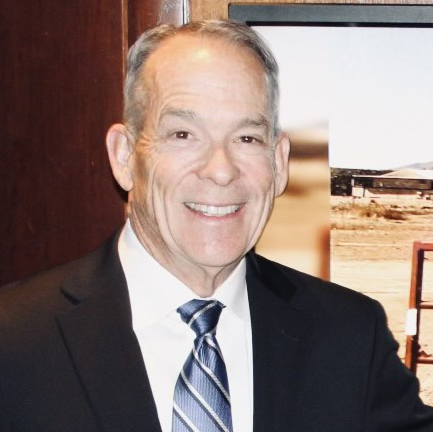
Few people in adolescent behavioral health have been at it as long, or with as much personal investment, as Patrick Barrasso. The founder of In Balance Behavioral Health and Align Adolescent Recovery, Patrick has spent decades working alongside adolescents and their families at some of the most difficult moments of their lives.
The Founder's Corner is where that experience finds a voice. Each installment, Patrick shares his reflections, observations, and the occasional story from over forty years in a field he has never stopped learning from.
One of the things I often say to parents is that I am not interested in simply creating behavioral change in the young people we serve. At first, that statement can sound confusing, so I usually explain further.
Behavioral change is often temporary. Transformation can last a lifetime.
When we designed our model and programs, we always viewed length of stay as a critical part of success. As a young person myself who found plenty of trouble along the way, I learned how to say and do the “right things” when I needed to — especially when I was in trouble. But like many of the young people we work with today, I often slipped back into old habits once the immediate crisis had passed.
That is why short-term programs of 30 to 60 days, while important for assessment and stabilization, are often only the beginning. They help identify the next step, but they are rarely the full treatment experience.
Real transformation takes time.
As a young person begins to step into lasting change, the process is rarely linear. It is filled with peaks and valleys, setbacks and breakthroughs. Yet over the course of 6 to 8 months in our program, something deeper begins to happen. Yes, behaviors improve — but that was never the ultimate goal.
The real goal is transformation.
We watch young people become more compassionate toward others. We see them develop values-based lifestyles, healthier relationships, accountability, confidence, and purpose. Over the years, I have had the privilege of seeing hundreds of alumni go on to make profound differences in their families, communities, and in some cases, the world at large.
Long-term treatment gives young people struggling with substance use and mental health challenges the opportunity to learn how to love themselves, rebuild connections with their families, and step into the world with renewed purpose.
That is the goal with every young person we serve: not simply behavioral change, but true transformation.